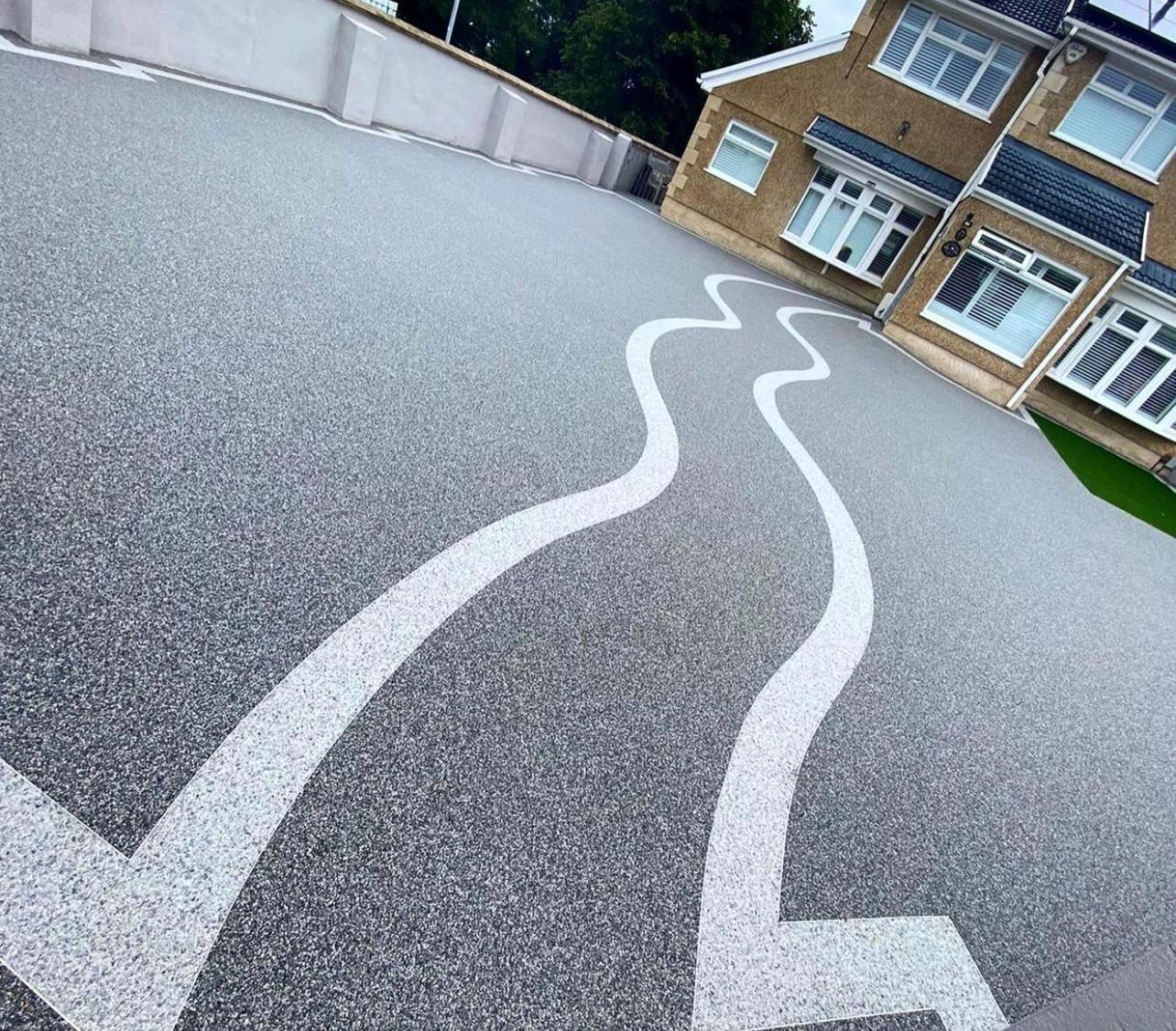
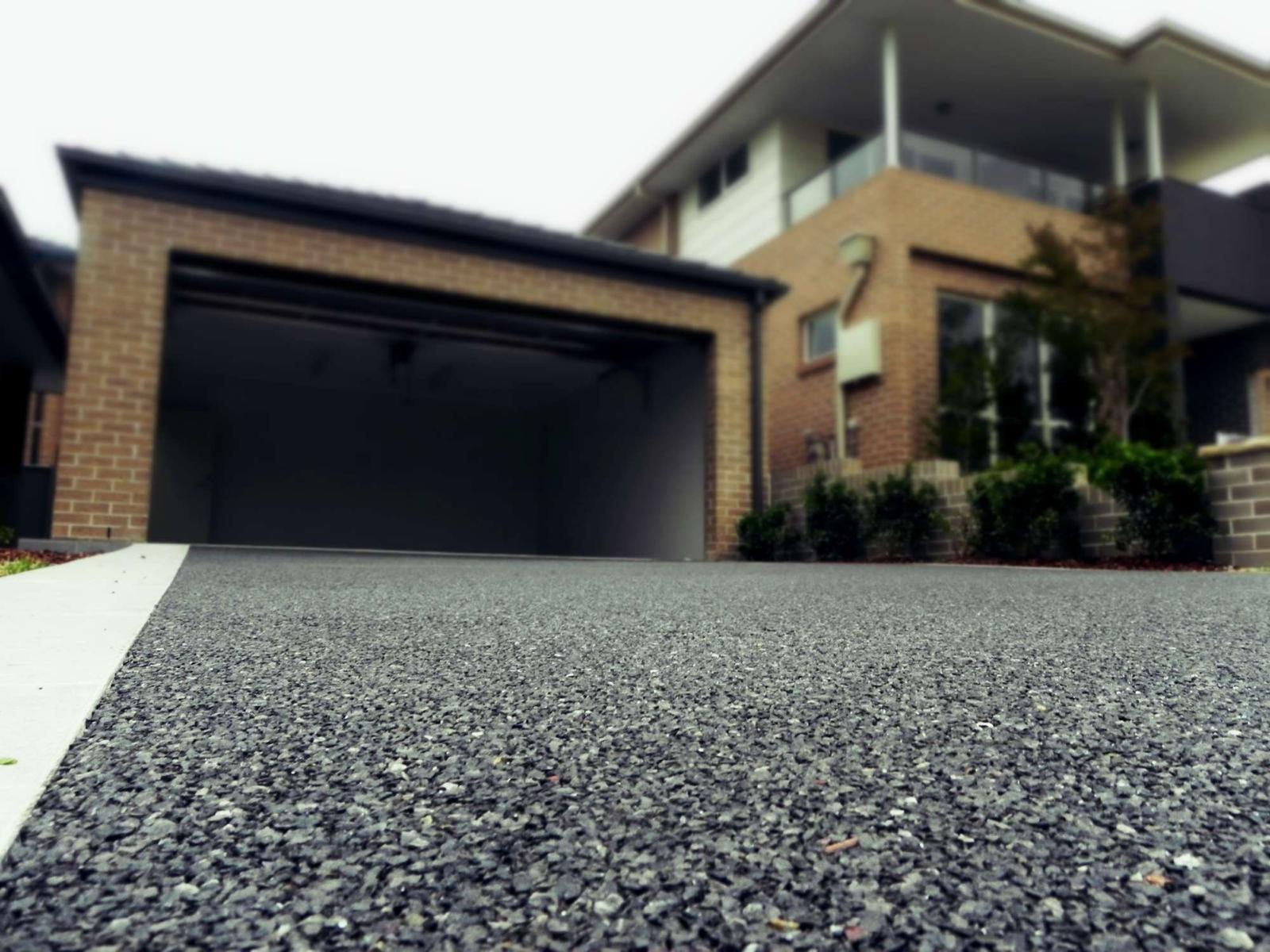
Can You Lay Resin Driveways on Slopes?
If your property has a sloped or uneven driveway, you might be wondering: can you lay a resin driveway on a slope? The answer is yes — but with a few important caveats.
A resin bound surface is a fantastic option for sloped driveways, combining visual appeal with durability and drainage. However, to ensure it performs well long-term, special attention must be paid to the preparation and installation process.
In this guide, we’ll cover everything you need to know about installing resin driveways on slopes, from key considerations to how we make it work safely and effectively.
Can You Install a Resin Driveway on a Sloped Surface?
Yes, a resin driveway can absolutely be installed on a slope — but it’s not quite as simple as a standard flat installation. There are a few specific factors to consider, including:
-
The gradient of the slope
-
The type of aggregate used
-
The need for anti-slip finishes
-
Drainage planning
-
Base preparation and resin depth
If these elements are handled correctly by an experienced installer, a resin driveway on a slope can perform brilliantly and look stunning for years to come.
Not sure if your driveway is suitable? Get a free consultation and site survey from Just Driveways.
How Steep Can a Resin Driveway Be?
Resin bound surfacing is typically suitable for gradients of up to 12–15% (approximately 1 in 7 slope). Anything beyond this requires specific engineering and may need an alternative surfacing solution.
To be safe, we always carry out a site assessment to measure the gradient and ensure resin is the right choice for your property.
If your slope is within the safe range, we’ll proceed with a plan tailored to its incline.
Safety on Slopes: Anti-Slip Resin Finishes
Sloped driveways naturally pose a greater risk of slipping, particularly during icy or wet weather. That’s why anti-slip protection is one of the most important parts of the installation process.
Here’s how we reduce the risk:
1. Add Anti-Slip Aggregates
Fine crushed glass or bauxite can be broadcast across the surface during installation to add extra grip without affecting the look.
2. Choose a Coarser Aggregate Blend
Certain natural aggregates provide better traction. We’ll recommend blends that give a slightly more textured finish for extra safety.
3. Consistent Trowelling
Our team ensures the surface isn’t over-trowelled — this keeps the aggregate texture exposed, which improves grip underfoot and under tyre.
Drainage Is Even More Important on Slopes
A major benefit of resin bound surfacing is that it’s SuDS compliant — meaning it allows water to drain naturally through the surface into the ground below.
On sloped driveways, water runs faster and can cause issues with puddling at the bottom of the drive if proper planning isn’t in place.
We’ll assess:
-
Natural fall direction of water
-
Whether the sub-base is permeable
-
Whether drainage channels or soakaways are needed
Our installers ensure water is directed safely away from buildings and that the resin surface continues to comply with planning regulations.
Preparation Is Key
As with any resin driveway, the quality of the base matters — but even more so on sloped installations. Slopes increase downward pressure, so the base must be able to support the resin layer without movement or cracking.
We recommend:
-
MOT Type 3 sub-base for full permeability
-
Minimum 18–20mm resin depth
-
Reinforced edging if required
Our site prep includes compacting the base thoroughly, applying a tack coat (primer), and ensuring perfect resin consistency during mix and pour.
Will It Handle Vehicle Traffic?
Absolutely. With the right gradient, grip, and resin depth, your sloped resin driveway will easily withstand regular vehicle use — including larger vehicles like SUVs or vans. For particularly steep driveways or high-traffic areas, we may recommend an increased resin depth for added structural strength.
Maintaining a Resin Driveway on a Slope
Maintenance is just as simple as a flat surface — sweep it regularly, wash with clean water as needed, and avoid harsh chemicals. However, it’s worth checking after heavy rainfall for signs of water pooling or debris build-up at the lower end of the slope.
So, can you lay a resin driveway on a slope? Yes — with the right gradient, base, drainage planning, and anti-slip finishes, a resin bound surface is a safe, stylish, and long-lasting option for sloped driveways.
At Just Driveways, we’ve successfully installed resin driveways on all kinds of gradients across the UK. Every installation begins with a full survey so we can recommend the safest and most cost-effective solution for your property.
👉 Ready to get started? Book your free consultation today
Table of Contents
about
Just Driveways
Transforming homes across the Midlands and South West with exceptional craftsmanship and outstanding service.